
Unlock transformative change in the digital economy, government and society through one standardized format of national ID, payment and government platform
NATIONAL ID
One ID, One Source of Truth
A New System of Accountability
A National ID is a government-issued identification system that uniquely identifies individuals and serves as a key credential for accessing various public and private sector services. It is often linked to digital identity platforms that enable secure authentication, seamless account creation, and identity verification.
Modern national ID systems may integrate biometric data, electronic authentication, and interoperability with government and corporate services, streamlining processes such as financial transactions, healthcare access, and administrative registrations.
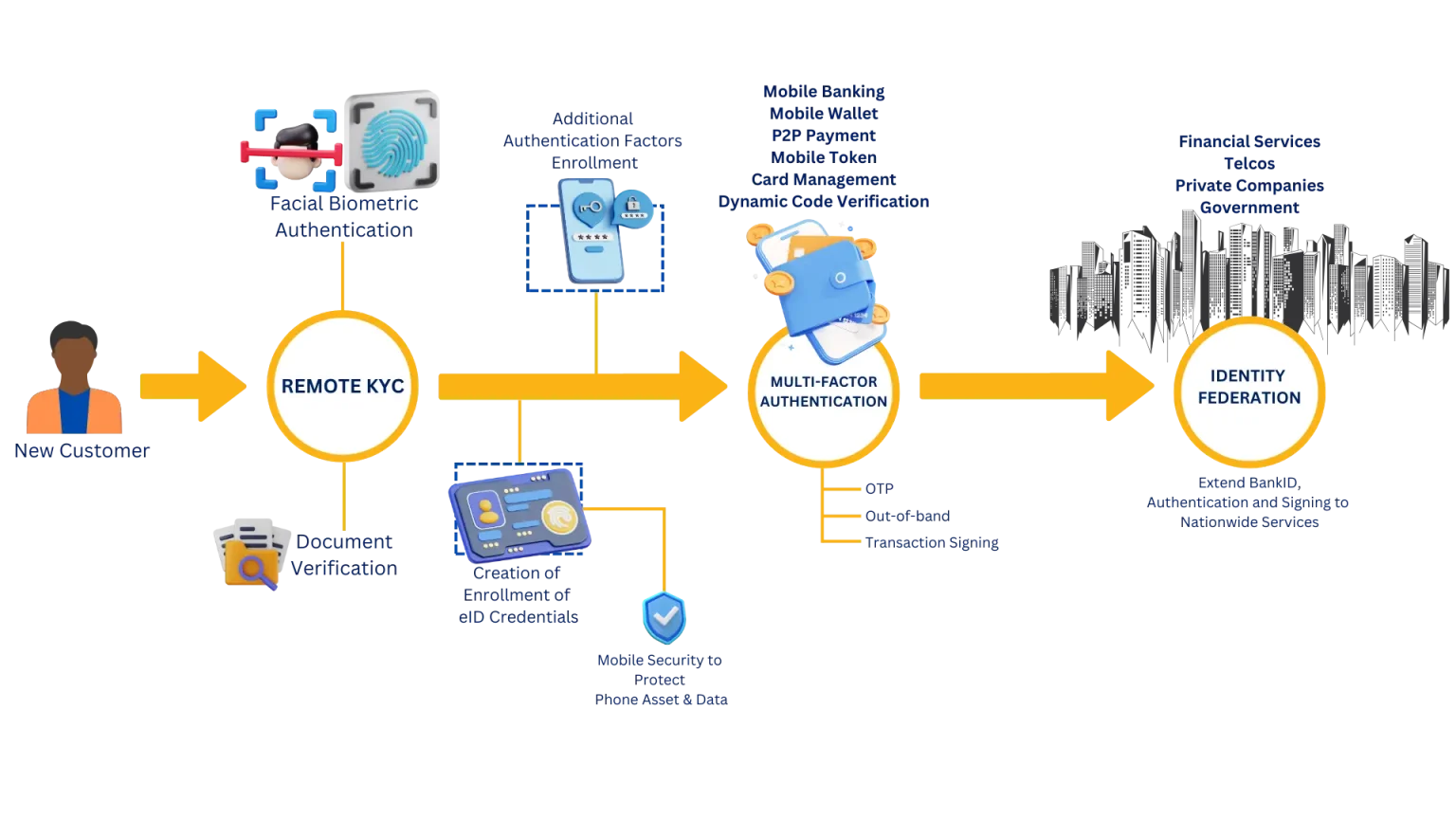
One Digital Credential to Authenticate Identity for Accessing Mobile, Online, and Offline Applications/Services
- Immigration
- Tax
- Health
- Education
- Housing
- Enforcement
- Drivers License
- Vehicle Registration
- Voting
More time saved performing onboarding tasks means more time for you or your customers to engage in activities that truly matters
Facilitates customer identification and verification at on boarding
Supports ongoing due diligence and scrutiny throughout the course of a business relationship
Aid transaction monitoring for the purposes of detecting and reporting suspicious transactions, as well as general risk management and anti-fraud efforts
Empowers the user with ownership of the identity
E-PAYMENT SYSTEM
LINK-SCAN-TRANSACT
One QR code to send and receive funds
In today’s fast-paced digital world, QR code payments are revolutionizing the way people transact—fast, secure, and convenient. With just a simple scan, businesses and consumers can make instant payments without the need for cash, cards, or complex banking details.
Establishing a national QR payment system ensures seamless interoperability across banks, fintech platforms, and merchants, creating a unified cashless ecosystem that benefits everyone. When paired with a National ID for eKYC and authentication, it becomes even more secure, reducing fraud and enhancing trust in digital transactions.
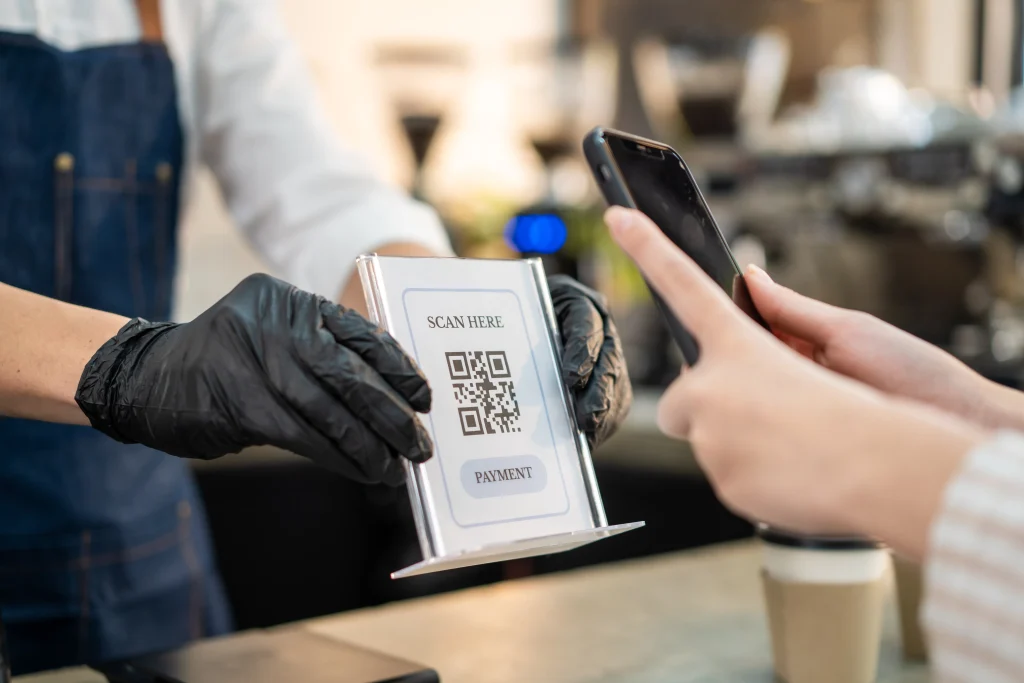
Static QR Codes: Merchants display a fixed QR code, and customers manually enter the payment amount.
Dynamic QR Codes: Merchant generates a unique QR code with pre-filled details such as amount due to speed up payment process
Interoperability: A national QR system often integrates with multiple banks, payment providers, and fintech platforms to ensure seamless transactions across different apps.
Regulatory Oversight: The system is often monitored by a central bank or a government-backed authority to ensure security, compliance, and fraud prevention.
24/7 Operability: Helping and catering to businesses of various nature
Ease of Use: No need for specialized hardware like POS terminals—just a smartphone.
Security & Traceability: Reduces cash-based fraud and improves transaction tracking for taxation and compliance.
Financial Inclusion: Helps bring unbanked and underbanked populations into the formal economy.
EZLIFE
Simplifying Government Services
The quicker citizens receive or access Government services, the more time they have for leisure
A nationwide digital government service platform is a centralized system that enables citizens to access and conduct all government-related transactions online. These platforms are designed to enhance efficiency, accessibility, and security, reducing reliance on physical visits to government offices.
Unified Access to Services: Citizens can complete tasks such as applying for IDs, paying taxes, renewing licenses, and accessing healthcare records—all from a single platform
Categorized by Life Events: Newborn, Education, Community Service, Job Seeking, Family Planning, Elderly Care, Affordable Housing
Users authenticate using a government-issued digital ID for authentication and security
Integrated e-payment systems (e.g., QR payments, digital wallets) enable citizens to pay for public services instantly
Interoperability Across Agencies: A single system connects different government bodies, ensuring data-sharing and real-time updates between departments
Data Security & Privacy: Uses encryption, multi-factor authentication, and/or blockchain to safeguard sensitive information, ensuring compliance with national data protection laws.